What Is Social Justice and Why Should You Care
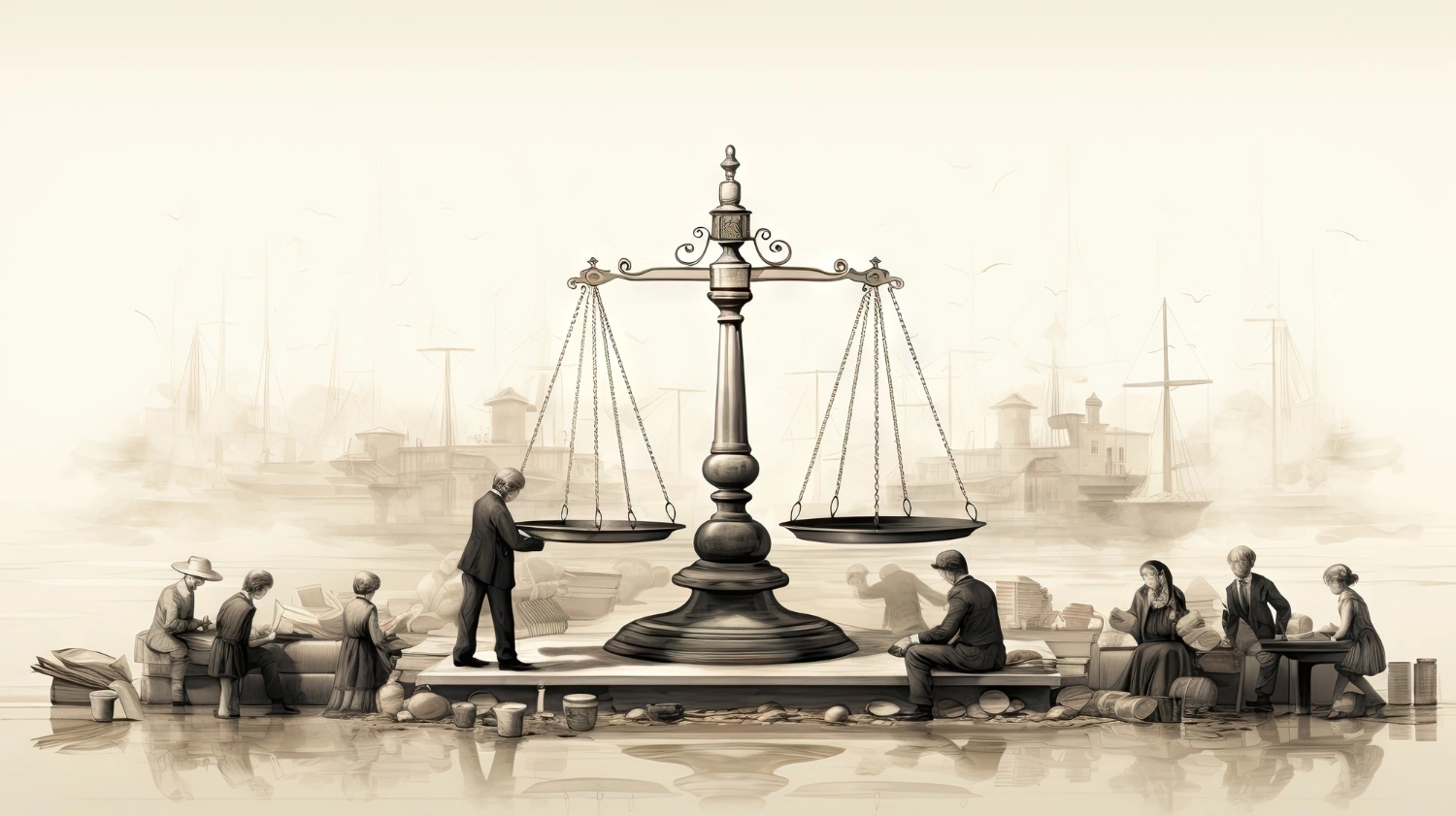
Social justice is one of those terms that gets thrown around constantly but rarely explained well.
Here is the short version: it is the idea that every person deserves fair treatment, equal access, and real opportunities, regardless of where they were born or who they are.
It Is Bigger Than Politics
Social justice is not a party platform or a slogan. It is a set of values that shapes how societies decide who gets what, and who gets left out.
It Affects Real People
When systems treat some groups differently than others, the consequences are concrete. People get worse healthcare, fewer job opportunities, or harsher legal treatment based on things they never chose.
It Is Not a New Idea
Philosophers have argued about fair societies for centuries. What has changed is how many people now have the tools to document, organize, and push back against injustice in real time.
It Touches Every Area of Life
Education, housing, criminal justice, healthcare, wages. Social justice questions show up in all of it. You do not have to be an activist to be affected by how these systems are set up.
What Social Justice Actually Means in Practice
Social justice means building systems where your background does not determine your ceiling.
That sounds simple. In practice, it means examining the rules and structures that already exist, and asking honestly whether they treat everyone fairly.

It Is About Systems, Not Just Individuals
A lot of people think social justice is only about individual prejudice. But the bigger issues are often structural. A biased hiring algorithm, a school district funded by local property taxes, a healthcare system that charges different rates based on zip code. These are systemic problems, not just personal ones.
Individual attitudes matter. But social justice asks you to look at the bigger picture: who designed these systems, who benefits from them, and who gets left behind by them.
This is why changing one person’s mind is never enough on its own.
Why Social Justice Matters for Everyone
You might be wondering whether social justice is really your problem if you feel like you are doing okay.
Here is the honest answer: injustice affects the whole system, not just the people directly harmed.
When large groups of people are shut out of education or economic opportunity, the effects ripple outward. Communities stagnate. Talent gets wasted. Social trust breaks down.
The Connection to Human Rights
Social justice and human rights are closely linked. Human rights set out what every person is owed simply by being human. Social justice is the work of making those rights real in everyday life, not just in legal documents.

The Core Principles of Social Justice
Most frameworks around social justice come back to a handful of key principles.
Understanding these gives you a sharper lens for reading the news, evaluating policies, and thinking through the world around you.
Equity
Equity means giving people what they actually need to have a fair shot, not just treating everyone identically. Equal treatment sounds fair until you realize people are starting from very different positions.
Access
Everyone deserves genuine access to education, healthcare, legal protection, and economic opportunity. Not just theoretical access on paper, but real, practical access that works for ordinary people.
Participation
Social justice requires that the people most affected by decisions get a real voice in making them. Top-down solutions designed without community input tend to miss the mark.
Rights
Every person has rights that exist independent of what governments decide to grant. Social justice means protecting and expanding those rights, especially for groups that have historically been denied them.
Common Misconceptions About Social Justice
A lot of the loudest debates about social justice are built on misunderstandings.
Here are a few worth clearing up.
One common misconception is that social justice means treating every outcome as identical. It does not. The goal is fair processes and genuine opportunity, not forced equal results.
Another is that caring about social justice means you are attacking people who disagree. Most people working in this space are interested in changing systems and policies, not punishing individuals.
A third is that social justice is purely a Western or American concept. Struggles for dignity, fairness, and equal rights exist in every society on earth. The specific forms and language differ, but the core concerns are universal.

Start Learning More About Social Justice
Social justice can feel like a big topic when you first approach it.
The good news is that you do not need to master the whole field at once. Start with the basics, follow your curiosity, and build your understanding one question at a time. Social justice is ultimately about people, and that is something you already know something about. Academic writing providers like writing service https://essaypro.com/ prepare essays that balance scholarly depth with readability, ensuring every assignment meets educational standards.