Human rights are the basic rights and freedoms that every person on earth is entitled to, simply because they are human.
Not because of their nationality, their religion, their gender, or the government they happen to live under. Just because they exist.
They Are Universal
Human rights apply to everyone, everywhere. That is the whole premise. A person in a wealthy democracy and a person living under an authoritarian regime have the same rights in principle, even if those rights are honored very differently in practice.
They Are Inalienable
You cannot give up your human rights, and no government can permanently take them from you. They do not expire, and they do not depend on anyone’s approval.
They Cover a Wide Range of Needs
Human rights include civil and political rights like freedom of speech and the right to a fair trial. They also include economic, social, and cultural rights like access to education, healthcare, and an adequate standard of living.
Where Human Rights Come From
The modern human rights framework took shape after World War Two.
The horrors of the Holocaust and the broader devastation of the war forced the international community to ask a serious question: what basic protections should exist for every person, regardless of what their own government decides?
The answer came in 1948, when the United Nations adopted the Universal Declaration of Human Rights. It was the first global agreement to lay out what rights all people are entitled to, and it remains the foundation of international human rights law today.
Since then, dozens of binding treaties have built on the Declaration. These include conventions on the rights of children, protections against torture, and frameworks for civil and political rights. Countries that sign these treaties take on legal obligations to uphold them.
The system is far from perfect. Enforcement is weak, and powerful governments routinely ignore obligations they have signed up to. But the framework exists, and it gives activists, lawyers, and international bodies a reference point for challenging abuses.
The Most Important Human Rights You Should Know
Human rights cover a huge range of situations, but a few core rights tend to come up most often in public debate.
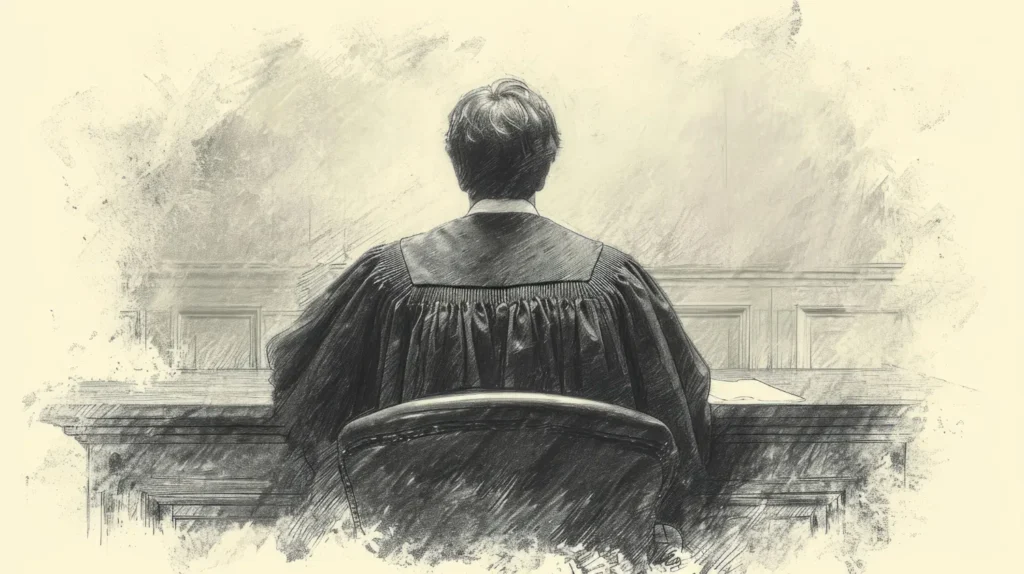
The right to life is the most fundamental. No one can take your life arbitrarily, which is why the death penalty, extrajudicial killings, and state violence are subject to intense human rights scrutiny.
Freedom from torture and cruel or degrading treatment is absolute in international law. There are no exceptions, not even in war or during a declared emergency.
The right to a fair trial protects you from being imprisoned or punished without due process. It includes the right to know the charges against you, to present a defense, and to have your case heard by an independent court.
Freedom of expression protects your right to speak, write, and share information without government censorship or retaliation. It is one of the rights most frequently under pressure in authoritarian contexts.
Economic and Social Rights
Beyond civil and political protections, human rights also cover your material needs. The right to education, the right to an adequate standard of living, and the right to health are all part of the international framework, even if they receive less attention in everyday debate.
Why Human Rights Matter in Everyday Life
Human rights are not just abstract legal concepts. They show up in the decisions that shape your daily life.
When a government decides how to police its streets, fund its schools, or treat people seeking asylum, those decisions are human rights decisions. When a company collects your data, monitors your workers, or operates in a country with weak labor protections, human rights frameworks apply.
You do not need to be an expert to see when something violates basic standards of dignity and fairness. That instinct is actually what human rights frameworks try to formalize.
Understanding what human rights are gives you a clearer way to name what is wrong when systems fail people, and a stronger basis for pushing back against those failures.
The human rights framework is not a perfect solution. But it is one of the most powerful tools available for holding governments and institutions accountable to the people they are supposed to serve.