Civil disobedience is the deliberate, nonviolent refusal to follow a law or government demand in order to challenge something you believe is unjust.
It is not random lawbreaking. It is a specific tactic with a long history, a clear philosophy, and a track record of producing real social change.
The people who use it are not trying to undermine society. They are trying to force a conversation that the usual political channels have failed to produce.
Civil disobedience asks a pointed question: when a law is unjust, do you have a duty to obey it anyway?
The History and Origins of Civil Disobedience
The concept has roots that go back centuries, but the modern framework comes largely from Henry David Thoreau’s 1849 essay on resistance to civil government.
Thoreau argued that individuals have a moral obligation not to cooperate with unjust laws, even if that means accepting punishment for breaking them. His ideas influenced generations of activists who came after him.
In the 20th century, Mahatma Gandhi turned civil disobedience into a mass political strategy, using it to resist British colonial rule in India. His Salt March in 1930 was a direct, deliberate violation of British salt laws, and it drew global attention to the independence movement.
Martin Luther King Jr. built on both Thoreau and Gandhi during the American civil rights movement. Sit-ins, freedom rides, and marches all involved deliberate lawbreaking as a form of moral and political protest.
What all of these movements had in common was a willingness to accept the legal consequences of their actions openly, which is what separates civil disobedience from ordinary crime.
What Makes Civil Disobedience Different From Other Protest
Civil disobedience is not the same as rioting, vandalism, or armed resistance, and it is not the same as ordinary legal protest either.
It occupies a specific middle ground that gives it its particular moral force.
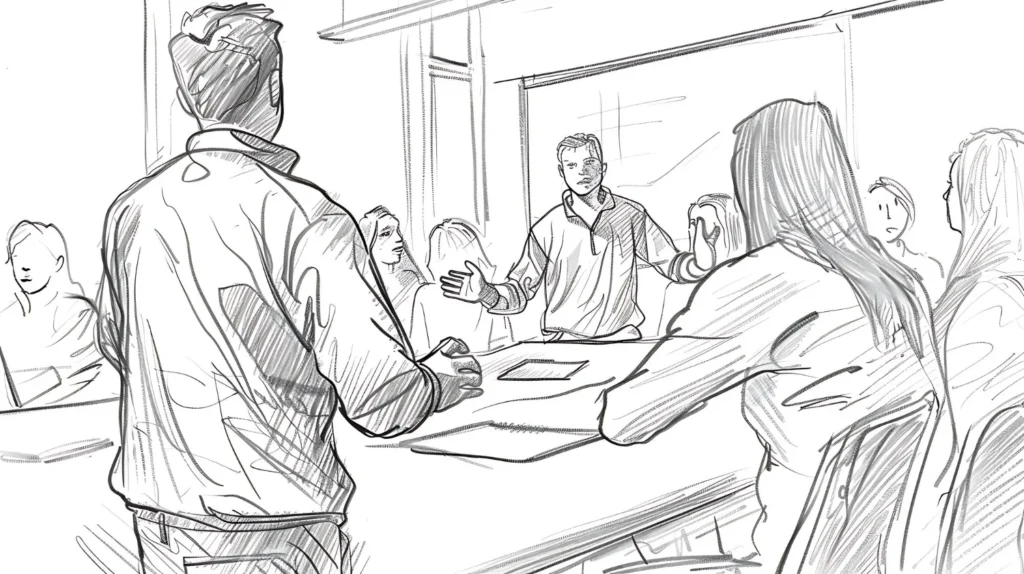
It is public, not secret. People engaging in civil disobedience usually want to be seen. The visibility is part of the point.
It is nonviolent. The refusal to use violence is both a practical strategy and a moral position. It puts the burden of escalation on the authorities, which often backfires on them politically.
It accepts consequences. Participants typically expect to be arrested or fined, and they accept that outcome. This willingness to face punishment demonstrates the seriousness of their moral objection and tends to generate public sympathy.
It targets a specific injustice. Civil disobedience is not a general rejection of all authority. It is a focused challenge to a particular law or policy that the participants believe is wrong.
Modern Examples of Civil Disobedience
Environmental Protests
Climate activists have blocked roads, disrupted pipelines, and occupied government buildings to draw attention to environmental policy failures. Groups like Extinction Rebellion have built entire organizing models around deliberate arrest.
Civil Rights Protests
The sit-in movement of the 1960s remains one of the clearest examples of civil disobedience in action. Students sat at segregated lunch counters, refused to leave when asked, and accepted arrest. Within months, many of those lunch counters were desegregated.
Immigration Activism
Activists have deliberately violated immigration enforcement operations, harbored undocumented people, and staged blockades of deportation vehicles to challenge what they see as inhumane enforcement policies.